When Pests Shut Down Businesses
How Pest Problems Can Impact Business Operations
Business owners spend significant time focusing on customer service, staffing, inventory, equipment, and growth. Pest activity can become an unexpected obstacle that interferes with each of those priorities. While many people associate infestations with severe property issues, even a relatively small population of insects or rodents can create complications that spread throughout an organization.
Commercial properties often provide exactly what unwanted creatures need to thrive. Food service establishments generate a steady supply of crumbs, grease, and food waste. Break rooms in office settings can attract insects searching for accessible meals. Warehouses may store food products, packaging materials, or other goods that offer shelter and resources.
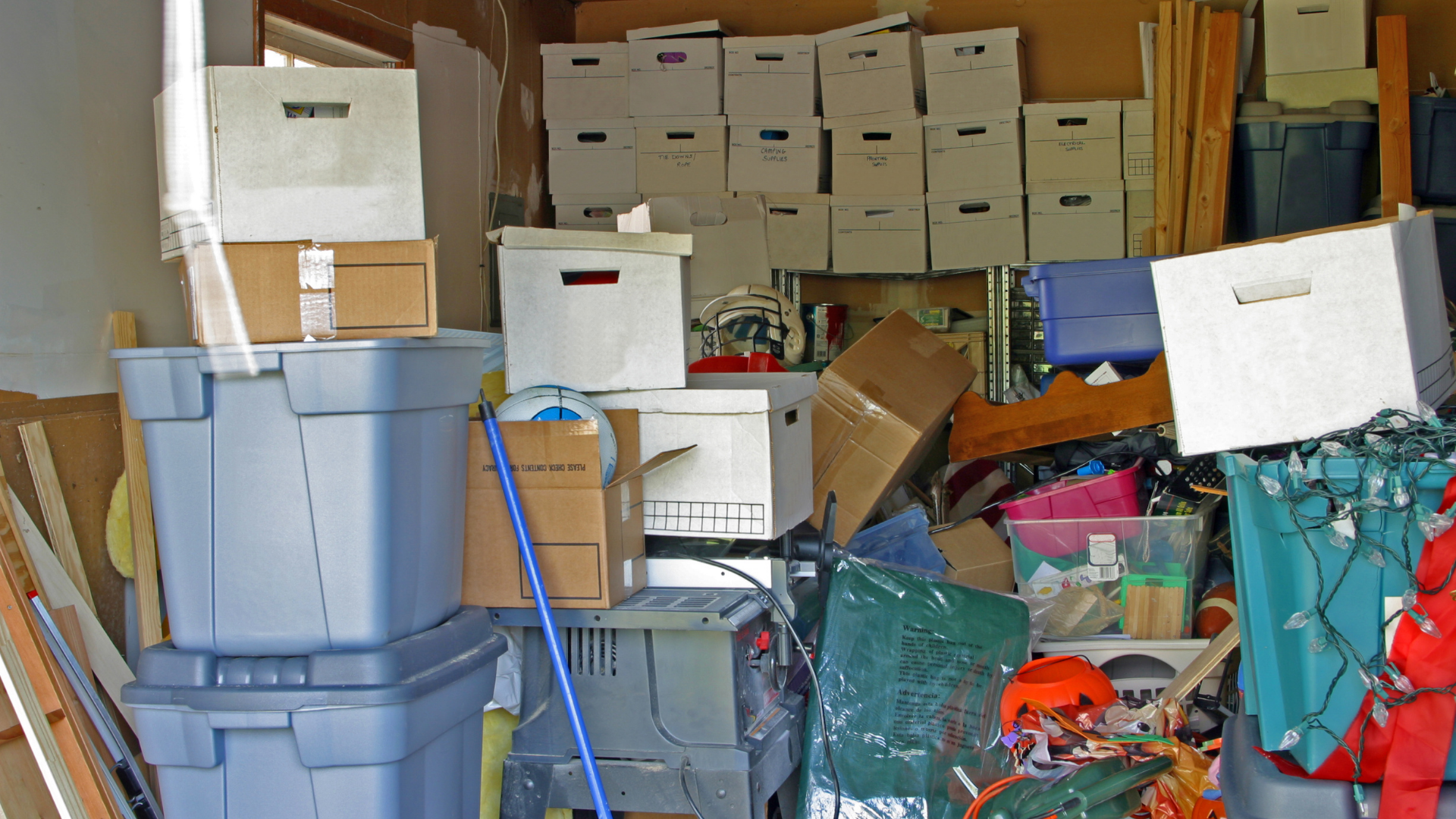
Water is another major attraction. Kitchens, plumbing systems, utility rooms, and maintenance areas frequently contain moisture that supports pest survival. Even minor leaks can create favorable conditions. Storage areas, wall voids, equipment compartments, and cluttered spaces also offer protection from disturbances, allowing populations to grow unnoticed.
As activity increases, routine operations may begin to suffer. Employees can lose access to workspaces while inspections, cleaning efforts, or repairs are completed. Certain sections of a facility may require temporary closure to address contamination concerns or structural issues. Tasks that once moved efficiently can slow down as staff members spend valuable time responding to pest-related distractions.
Productivity often declines when workers become focused on sightings, unusual odors, damaged materials, or sanitation concerns. Small interruptions can accumulate throughout the workday, reducing efficiency and increasing frustration. At the same time, maintenance teams may face additional responsibilities involving cleaning, monitoring, repairs, and preventive measures. What started as a minor issue can gradually become a significant operational burden if left unaddressed.
Property Damage And Threats To Business Assets
Many pests cause damage that extends beyond simple inconvenience. Certain species can affect structural components, utility systems, inventory, and equipment that businesses depend on every day.
Wood-destroying insects may weaken building materials and compromise structural integrity. Damaged framing, deteriorating support components, and affected insulation can lead to costly repairs. Hidden activity behind walls or beneath flooring often goes unnoticed until the damage becomes extensive.
Rodents present a different set of concerns. Their constant gnawing behavior can affect electrical wiring, increasing the likelihood of equipment malfunctions and expensive service calls. Damaged cables can disrupt communication systems, security equipment, production machinery, and other essential infrastructure. A single damaged wire may trigger problems that impact multiple departments within a facility.
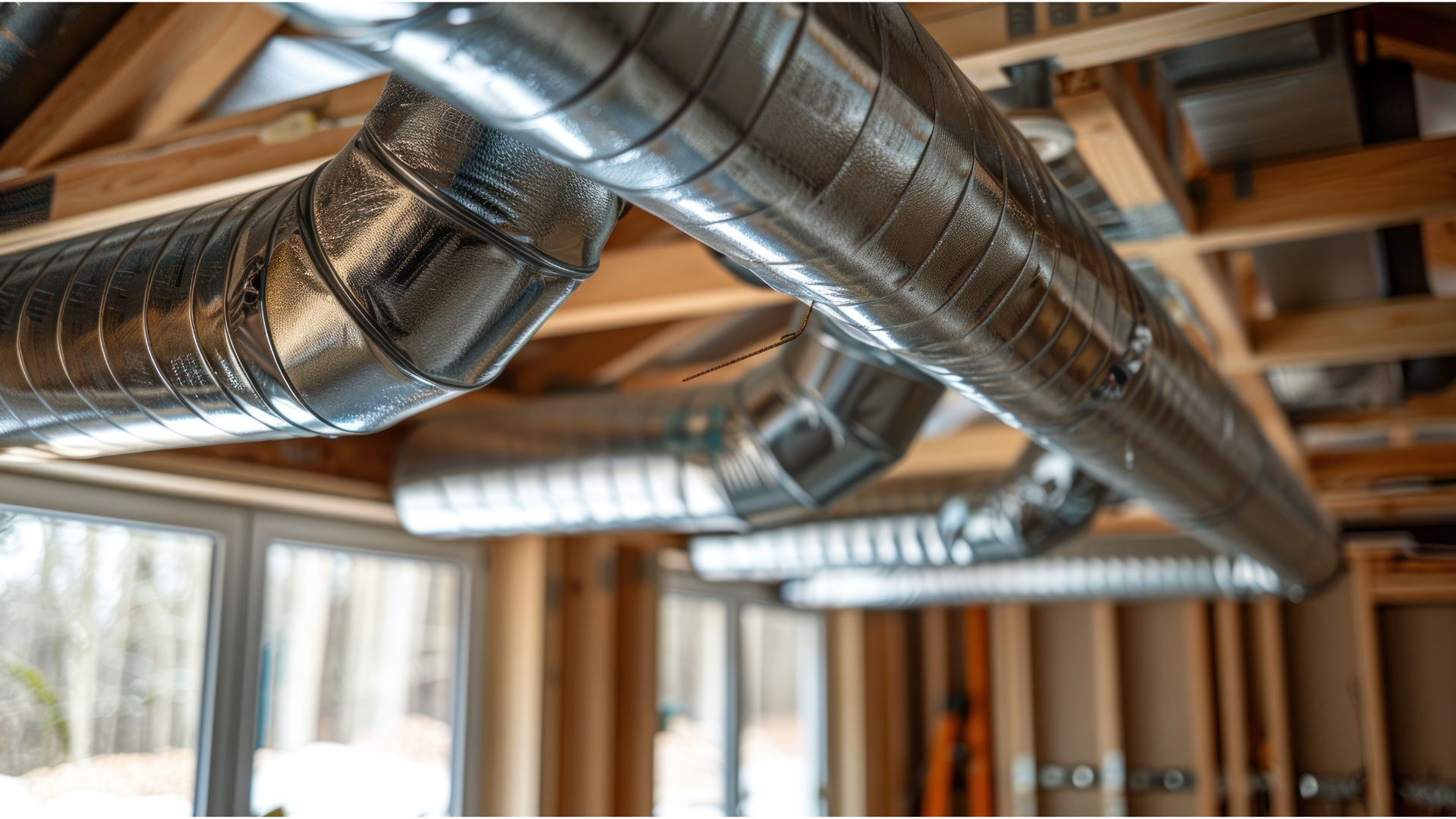
Utility spaces are also vulnerable. Nesting activity around pipes, mechanical systems, and service areas can contribute to moisture concerns and accessibility issues. In some cases, debris accumulation around critical infrastructure can complicate inspections and maintenance procedures.
Inventory represents another area of risk. Products stored in warehouses, supply rooms, and distribution centers may become contaminated or physically damaged. Packaging can be torn, chewed, stained, or otherwise compromised, leaving merchandise unsuitable for sale. Businesses that rely on efficient inventory movement may face delays when affected products must be removed, inspected, or replaced.
Equipment and supplies can also suffer. Dust, nesting materials, droppings, and debris may interfere with machinery performance. Damaged materials, interrupted workflows, and unexpected repairs can create challenges that extend well beyond the original infestation. The financial impact often includes both direct replacement costs and indirect losses associated with downtime.
Customer Perception And Industry-Specific Concerns
Public perception plays a major role in business success. Customers form opinions quickly, and visible pest activity can leave a lasting impression that is difficult to overcome.
A single sighting in a lobby, dining area, retail floor, or waiting room may raise concerns about cleanliness and facility management. Even when the issue is isolated, customers may question whether larger problems exist behind the scenes. Those concerns can influence purchasing decisions and future interactions with the business.
Digital communication has amplified the importance of reputation management. Online discussions and public feedback can spread rapidly, shaping consumer opinions before a potential customer ever visits a location. Negative impressions associated with pest activity may affect confidence in a company's professionalism and attention to detail.
Repeat business can also be affected. Customers who encounter signs of infestation may decide to explore alternative options, particularly when competitors are readily available. Reduced retention can create long-term challenges that continue after the original issue has been resolved.
Certain industries face particularly high levels of exposure. Restaurants and food service facilities handle products that naturally attract insects and rodents. Hotels and hospitality properties must maintain guest comfort while managing numerous rooms and common areas. Healthcare facilities operate in environments where cleanliness standards are closely scrutinized.
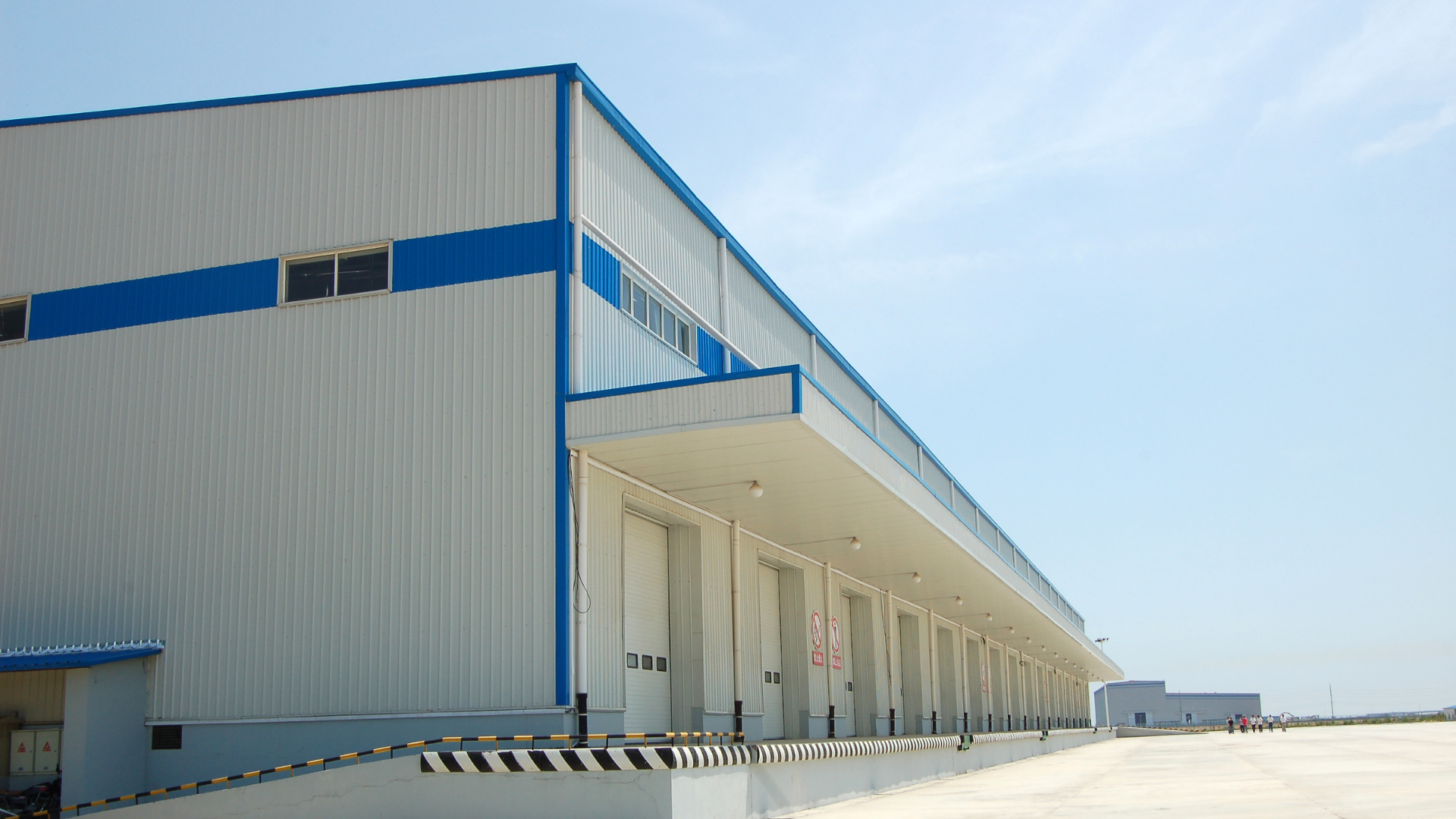
Retail stores face challenges associated with customer traffic, merchandise storage, and receiving areas. Warehouses and distribution centers often manage large inventories within expansive spaces that can provide shelter opportunities. Office buildings are not immune either. Shared kitchens, storage rooms, and utility spaces can become attractive locations for unwanted activity if preventive measures are inconsistent.
Financial Consequences And The Importance Of Early Detection
The financial effects of pest activity often extend beyond the immediate cost of treatment. Repairing damaged building materials, replacing affected inventory, and addressing equipment issues can place significant pressure on operating budgets.
Cleaning expenses frequently increase as organizations work to restore affected areas and maintain professional standards. Additional inspections, sanitation efforts, and monitoring programs may become necessary to ensure conditions remain under control. While these actions are important, they can require substantial time and resources.
Revenue disruptions represent another concern. Restricted access to work areas, interrupted production schedules, delayed shipments, and temporary closures can reduce income while expenses continue to accumulate. Businesses may also encounter challenges associated with customer retention and brand perception that persist long after the original issue has been addressed.
Early detection offers one of the most effective ways to limit these consequences. Droppings, unusual odors, gnaw marks, damaged materials, and increasing sightings often indicate developing problems that deserve attention. Reports from employees or customers should also be taken seriously, as these observations can provide valuable insight into areas that require further investigation.
Responding promptly allows businesses to address concerns before populations expand and damage becomes more extensive. Early intervention can help protect assets, reduce operational interruptions, and support a cleaner, more professional environment.
Building A Proactive Plan
A proactive approach focuses on reducing conditions that attract pests while identifying concerns before they become major disruptions. Routine inspections are an important starting point because they help reveal vulnerabilities that may otherwise remain hidden.
Sanitation practices play a major role in prevention. Proper waste management, regular cleaning, and attention to food storage areas can reduce available resources that support pest survival. Maintaining dry conditions is equally important, particularly around plumbing systems, kitchens, and utility spaces where moisture tends to accumulate.
Exclusion efforts help limit access to the property. Sealing gaps, repairing damaged materials, and addressing entry points can make it more difficult for insects and rodents to enter and establish themselves indoors. Ongoing monitoring adds another layer of protection by helping businesses identify changes before they escalate into larger concerns.
Pest problems can affect nearly every aspect of a business, from employee productivity and inventory protection to customer perception and financial performance. Addressing concerns early can help reduce disruptions, limit property damage, and support day-to-day operations. If you want experienced guidance for protecting your commercial property,
contact us today at Veteran’s Pride Pest Control to discuss effective solutions tailored to your facility’s needs.