Expansive Properties Can Hide Serious Animal Problems
Why Wildlife Activity Often Goes Unnoticed In Large Yards
Large yards can be a real advantage for homeowners. They offer privacy, room to spread out, space for storage, and a closer connection to wooded or natural surroundings. That same space, though, can also make animal activity harder to notice. A small opening under a shed, a trail through tall grass, or scratching in a detached garage may go unseen for weeks because those areas simply aren’t checked as often as the front porch or main living space.
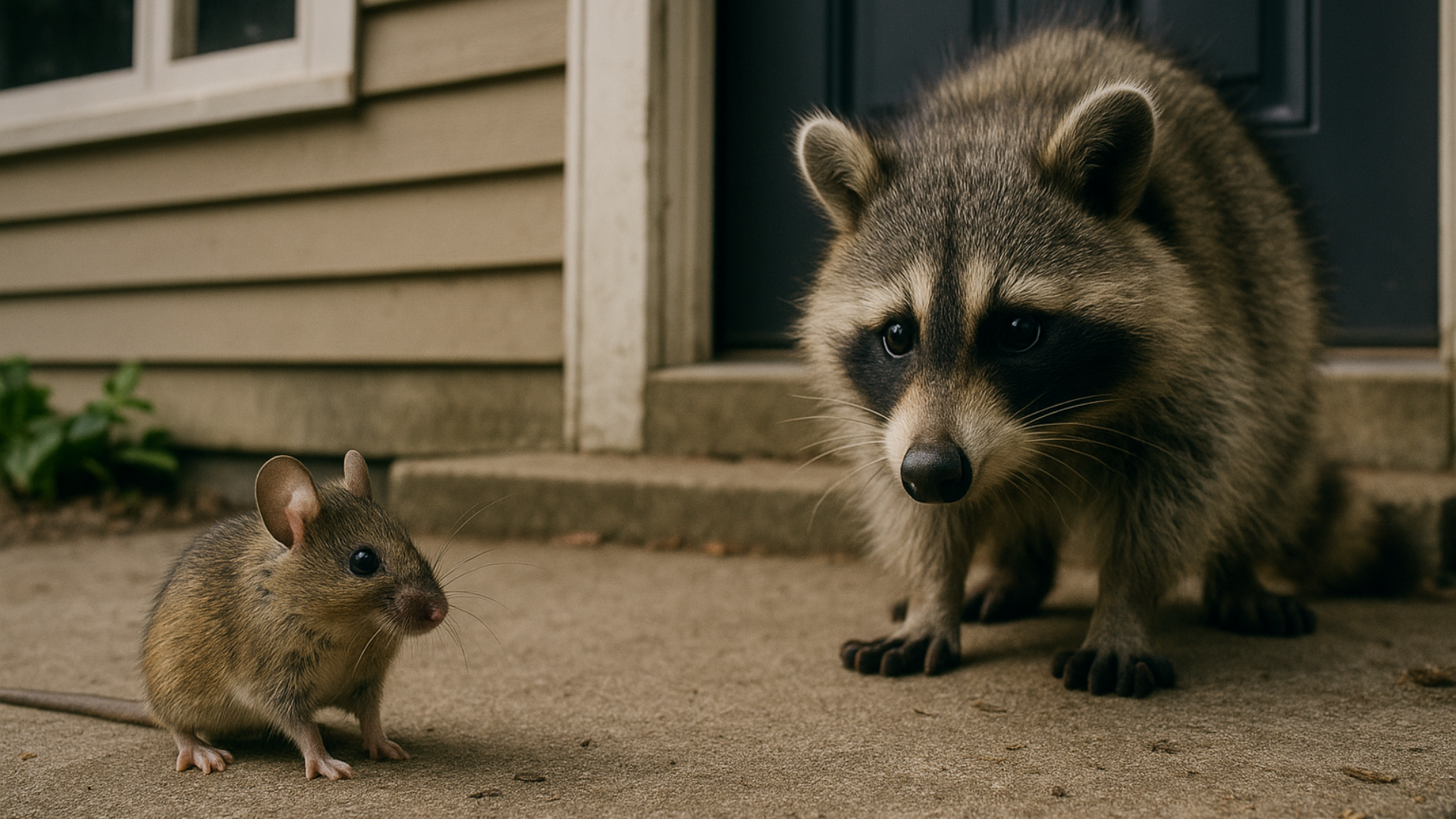
Bigger properties tend to have more cover, food, water, and quiet corners where animals can move without much interruption. Distance plays a major role. A raccoon crossing the far tree line at night, mice nesting in a storage building, or snakes moving near a drainage ditch may not draw attention until damage, odor, droppings, or unusual sounds finally point to a problem. By then, the activity may be more established than it first appears.
Why Large Yards Attract Hidden Activity
Expansive yards often include zones that feel separate from daily life. The area near the house may be mowed, lit, and used regularly, while the far side of the property may be visited only during seasonal cleanup or when something needs repair. Animals take advantage of that separation. Less foot traffic means fewer disturbances, and quiet sections of land can become attractive places to feed, nest, den, or travel.
Food sources can also be more widespread on larger properties. Fallen fruit, garden scraps, birdseed, unsecured trash, compost, insects, and small prey can support a range of species. Water sources add another draw, especially during hot or dry stretches. A low spot that stays damp, a leaking spigot near a barn, or a pond bordered by brush can encourage regular visits from rodents, raccoons, snakes, frogs, and insects.
Shelter matters just as much. Wood piles, stacked building materials, dense shrubs, old equipment, crawlspace gaps, and unused structures create protected spaces. Even when an animal doesn’t enter the main home, it may settle nearby and gradually move closer. What starts at the edge of the yard can end up beneath a deck, inside an attic, or behind stored items in a garage.
Wooded Edges, Overgrowth, And Water Sources
Tree lines are natural travel corridors. Animals use wooded edges because the cover helps them move with less exposure. Squirrels, raccoons, opossums, rodents, snakes, and skunks may pass between the woods and residential structures using the same routes again and again. Dense branches and leaf litter can make that movement difficult to see from the house, even during daylight.
Overgrown vegetation adds another layer of concealment. Tall grass, untrimmed hedges, ivy, vines, and brushy landscaping can hide trails, burrows, droppings, and gnaw marks. Rodents and small mammals often use thick cover to avoid predators while moving between food and shelter. Snakes may use those same areas because the cover holds prey and provides shade. When landscaping grows tight against foundations, fences, decks, or sheds, it can also hide entry points that should be sealed quickly.
Water features deserve close attention on larger lots. Ponds, creeks, drainage swales, and wet ditches can support a busy mix of activity. Moist areas attract insects, which attract frogs, rodents, and other unwanted intruders. Raccoons may forage near shallow water, while snakes may use the surrounding grass and stones for hunting and cover. During warmer months, these zones can become particularly active, yet the thick growth around them often keeps signs out of view.
Quiet Structures And Property Borders Can Mask Damage
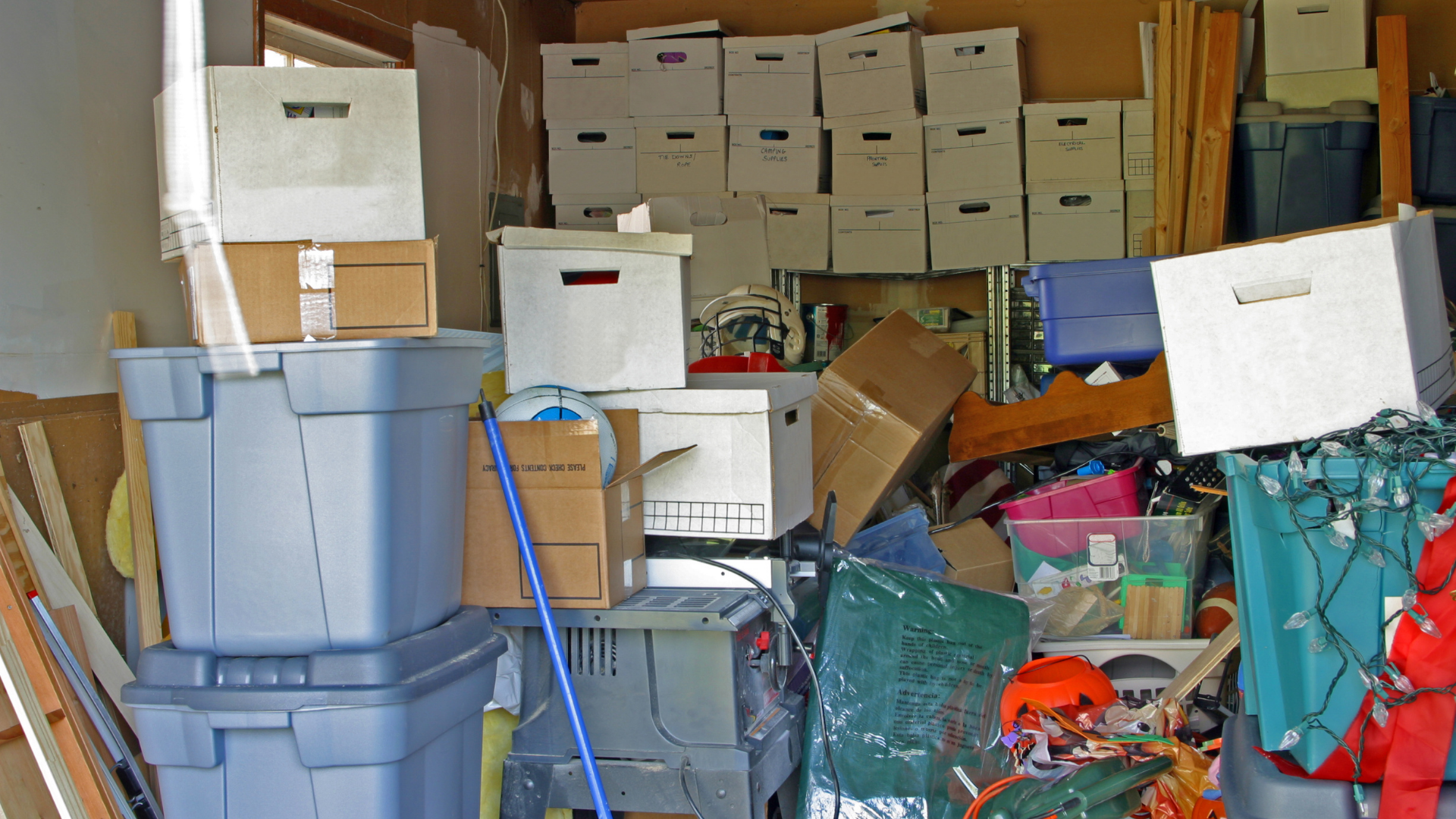
Detached buildings are one of the most common places for problems to develop without notice. Sheds, barns, workshops, storage buildings, detached garages, playsets, and covered equipment areas often provide exactly what animals need: shade, shelter, low traffic, and small openings. A loose vent, warped door frame, missing trim board, or gap near the roofline may be enough for entry.
Once inside, animals can damage stored belongings, insulation, wiring, cardboard boxes, tools, and seasonal decorations. Droppings may collect behind shelves or along walls. Nesting material can build up in corners. Odors may linger long before the source is found. Because these buildings are often visited for a specific purpose, such as grabbing a tool or putting away equipment, early warning signs can be overlooked.
Fence lines and property borders can create similar challenges. Animals frequently move along edges because borders provide direction and cover. A fence gap hidden by weeds, a washed-out section beneath a gate, or brush spilling in from a neighboring lot can create a concealed path. Activity next door can influence what happens on your land as well. If a nearby property has heavy cover, open trash, standing water, or unused structures, animals may drift back and forth between both areas.
Warning Signs And Practical Ways To Reduce Activity
The signs are often subtle at first. Homeowners may notice narrow trails through grass, flattened vegetation near a shed, droppings beside a storage wall, chewed packaging, scattered insulation, greasy rub marks, damaged vent screens, or small openings that seem newly widened. Strange odors around crawlspaces, decks, garages, or outbuildings can also point to nesting or trapped animals. Sounds are another clue, especially scratching, thumping, rustling, or movement heard at night.
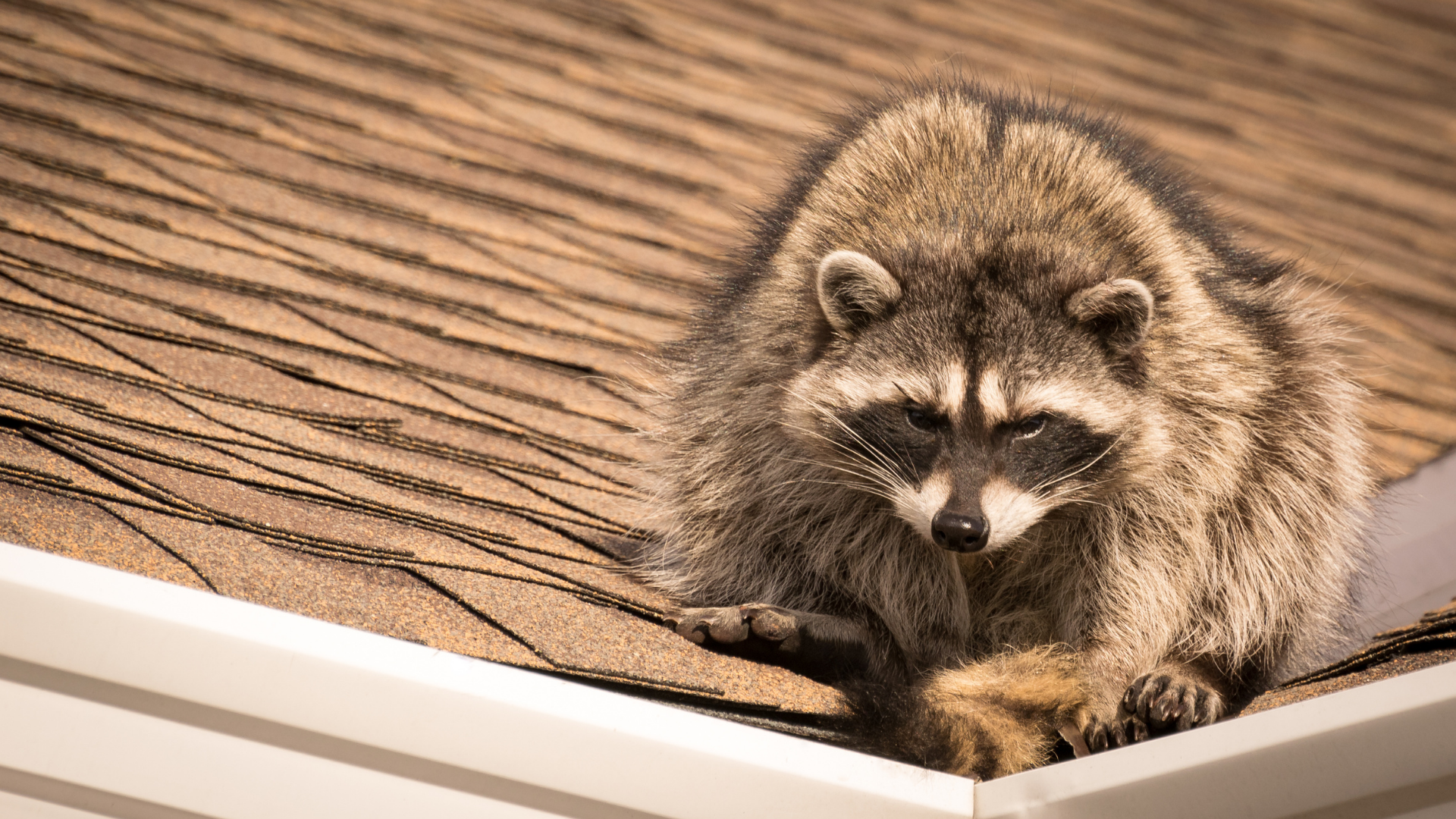
Routine inspection is one of the best habits for larger properties. Walk the perimeter of the home, then extend that inspection to fence lines, sheds, barns, garages, crawlspace entrances, drainage areas, and wooded edges. Look low for burrows and gaps. Look high for roofline damage, soffit openings, and branches that touch structures. A flashlight can reveal droppings, tracks, nesting material, or damage in corners that daylight misses.
Improving visibility can make a major difference. Keep grass cut, trim shrubs away from buildings, clear brush from fence lines, and remove thick growth around decks and storage areas. Good lighting around paths, doors, and outbuildings can also make nighttime movement easier to spot. Materials stored outdoors should be organized and raised off the ground when possible, since clutter gives animals more places to hide.
Food and water control should be part of the plan. Trash containers need tight lids, pet food should be brought indoors after feeding, and birdseed should be managed carefully. Leaks, clogged gutters, and poor drainage should be repaired because moisture can attract insects and the animals that feed on them. Standing water in buckets, tarps, planters, and unused equipment should be emptied when practical.
Openings should be addressed promptly. Gaps around vents, doors, siding, foundations, rooflines, and crawlspaces can invite repeat activity. It’s also wise to check detached structures after storms, heavy wind, or seasonal temperature changes, since shifting materials can create new access points.
Large properties give animals more chances to stay hidden, especially where wooded edges, overgrowth, water, borders, and detached structures meet. Regular maintenance and closer inspections can catch warning signs earlier and reduce conditions that invite nesting, denning, and damage. If you’re seeing persistent animal activity, finding droppings or odors, hearing movement in structures, or dealing with recurring issues across a larger yard,
contact us today at Veteran’s Pride Wildlife Control for professional help identifying the source and addressing the problem properly.