Can Wildlife Make You Sick?
Health Risks Of Living With Wild Animals
When wildlife finds its way into a structure, the concern often starts with noise or damage, but the deeper issue involves health. Animals that settle into attics, crawlspaces, walls, and sheds bring biological materials that were never meant to mix with human living environments. Waste accumulation, parasites, and nesting debris create conditions that can affect people, pets, and even the structural environment itself. These hazards do not appear dramatic at first glance, which is why they are frequently underestimated until symptoms or damage become difficult to ignore.
Understanding how these elements interact with indoor spaces helps explain why wildlife intrusions require timely attention. The risks are layered and interconnected, and they extend well beyond simple inconvenience.
Waste And Pathogen Exposure
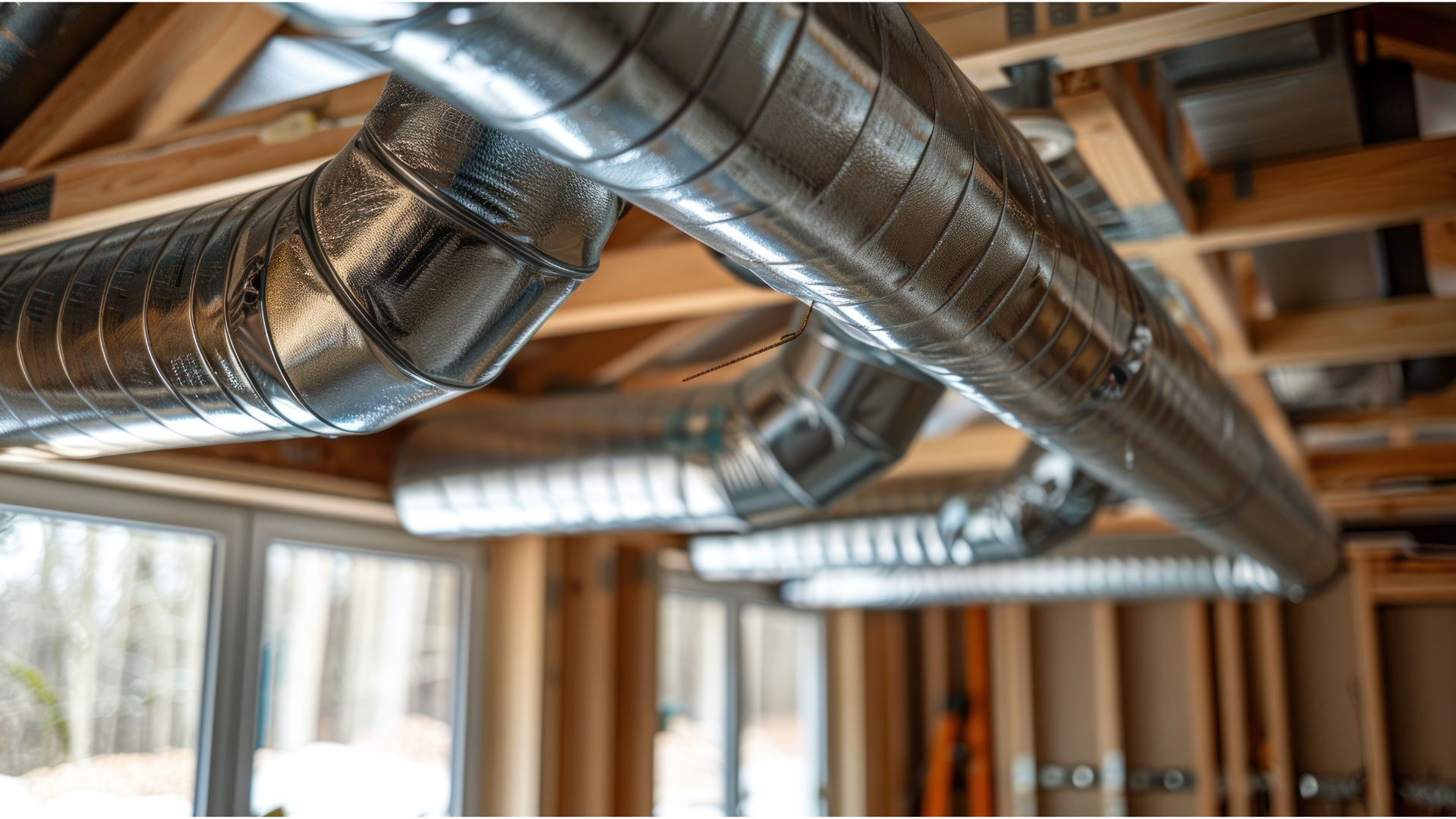
Animal waste introduces a complex mix of fungi, bacteria, and viruses into enclosed areas. Droppings and urine break down slowly, releasing microscopic particles into the air and onto nearby surfaces. As air circulates through ventilation systems or small gaps in walls, these contaminants can spread far beyond the original nesting site. This exposure pathway increases the likelihood of respiratory irritation, flu-like symptoms, and infections that may not immediately point back to a wildlife source.
Moisture plays a major role in worsening these conditions. Urine saturates insulation and wood, creating an environment where pathogens thrive. Fungal growth becomes more likely, and spores can travel through shared airspace. Inhaling these particles may aggravate existing respiratory conditions or create new sensitivities. Children, older adults, and individuals with compromised immune systems tend to be more vulnerable, but even healthy individuals can experience prolonged discomfort.
Waste also attracts insects that act as secondary carriers. Flies, beetles, and other scavengers feed on droppings and then move freely throughout a structure. As they travel, they can deposit bacteria onto food preparation areas, fabrics, and personal items. The result is a chain reaction where a localized wildlife presence gradually affects the broader indoor environment.
Parasites And Disease Transmission
Wild animals often host parasites that are highly adaptable. Fleas, ticks, mites, and lice rely on animal hosts for survival, but they do not remain loyal once conditions change. When wildlife establishes itself indoors, these parasites gain access to new hosts, including pets and humans. Bites may appear minor at first, yet they can introduce bacteria or trigger allergic reactions that worsen with repeated exposure.
Some parasites act as vectors for more serious illnesses. Ticks, for example, can transmit bacterial infections that affect joints, nerves, and overall energy levels. Fleas may spread pathogens that lead to fever or skin infections. Mites associated with birds or rodents can cause intense itching and rashes, often misdiagnosed as unrelated skin conditions.
Parasite populations grow quickly when left undisturbed. Nesting areas provide warmth and shelter, allowing eggs and larvae to develop in large numbers. Once wildlife leaves or is removed without proper mitigation, parasites may seek alternative hosts within the building. This migration can create a lingering problem that persists even after the animals are gone, making comprehensive management essential for restoring healthy living conditions.
Nesting Materials And Air Quality
Nesting debris introduces another layer of concern that often goes unnoticed. Animals gather insulation, paper, plant matter, and fabrics to build shelters. As these materials accumulate, they compress insulation and block airflow, altering temperature regulation and increasing humidity. Poor airflow allows contaminants to concentrate rather than disperse, which can affect indoor air quality.
Dust generated from nesting materials contains fragments of droppings, fur, feathers, and parasites. Movement within the structure, such as walking or using heating systems, can disturb this dust and send it into shared airspace. Breathing in these particles may cause throat irritation, coughing, or sinus issues that seem persistent without a clear cause.
Decomposition also plays a role. Food remnants stored by animals attract mold and bacteria as they decay. Odors develop, signaling chemical changes that indicate microbial activity. These smells are not merely unpleasant; they often accompany airborne compounds that contribute to headaches and nausea. Addressing nesting debris requires more than removal, since underlying contamination can remain embedded in surrounding materials.
Beyond immediate air concerns, nesting zones influence long-term cleanliness within a structure. Fibers from insulation and shredded materials migrate into adjacent rooms through small openings, settling on surfaces that are frequently touched. Routine cleaning rarely reaches these hidden sources, which allows contaminants to persist despite regular upkeep. As debris continues to break down, fine particles remain suspended longer in enclosed spaces, increasing inhalation exposure during normal daily activity. This lingering presence explains why symptoms often continue after visible debris seems minimal, reinforcing the need for thorough remediation rather than surface-level cleanup alone. Professional evaluation helps identify concealed pockets where material accumulates and continues to influence environmental conditions unnoticed.
Secondary Impacts On Pets And Living Spaces
Pets often serve as the first indicators of wildlife-related health concerns. Dogs and cats explore areas near walls, attics, and crawlspaces, increasing their chances of contact with waste or parasites. Symptoms such as excessive scratching, lethargy, or digestive upset may stem from exposure rather than diet or routine illness. Pets can also carry parasites into living areas, spreading them through bedding and furniture.
Living spaces themselves experience gradual degradation. Waste corrodes building materials, weakening wood and drywall. Moisture encourages rot, which compromises structural integrity and invites further infestations. Electrical wiring may become exposed or damaged as animals chew and nest nearby, creating additional risks that extend beyond health.
These secondary effects highlight how wildlife intrusions ripple outward. What begins in a hidden corner can influence daily comfort, cleanliness, and overall well-being throughout the structure. Addressing the issue early reduces the chance of layered complications that require extensive remediation later.
Health concerns tied to wildlife intrusions develop quietly, but their impact can be significant when left unresolved. Exposure to waste, parasites, and nesting debris affects air quality, increases the spread of disease, and places both people and animals at risk. Recognizing these hazards is the first step toward protecting living spaces and restoring healthier conditions. If signs of wildlife activity are present, don't hesitate to
contact us today at Veteran’s Pride Wildlife Control, and let our experts assess the situation, take care of the animal intrusion and related issues, and help return the property to a wildlife-free condition.